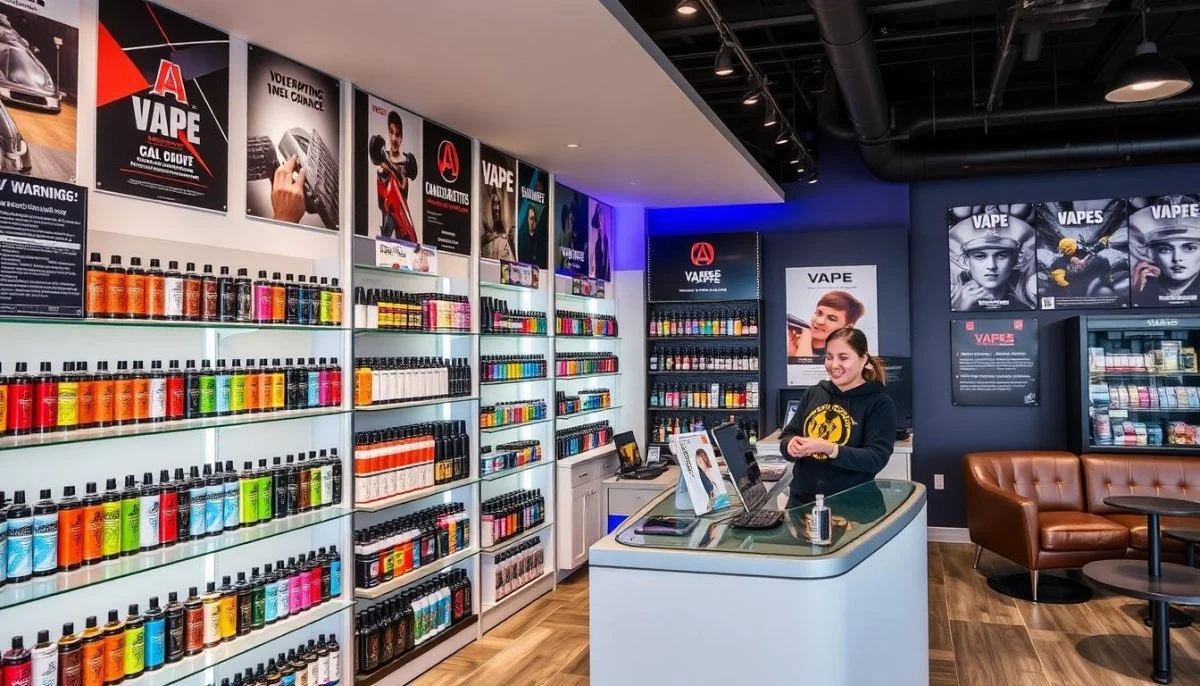
Vape Store Products, Services, and Choosing the Right Shop
Introduction to Vape Stores
A vape store is a retail shop that specializes in vaping devices, accessories, and related products. Depending on local laws and regulations, these stores may offer different types of electronic devices, replacement parts, and other merchandise associated with vaping. As interest in vaping products has grown in some markets, specialized shops have become a recognizable part of the retail industry.
For customers researching a vape store, understanding the products, services, safety considerations, and legal requirements is important. A reliable retailer should provide accurate product information, follow applicable regulations, and prioritize responsible sales practices. Customers should also understand that vaping is not risk-free, particularly for young people, pregnant individuals, and those who do not already use nicotine.
This article explores what vape stores offer, how they operate, and what consumers should consider when researching a retailer.
What Is a Vape Store?
A vape store is a specialized retail business that sells vaping-related products where permitted by law. Unlike a general convenience store, a specialist retailer may offer a wider selection of devices, compatible accessories, and product information.
Some stores operate as physical shops, while others provide online catalogs or delivery services where legally allowed. Their product ranges, prices, and services can vary depending on local regulations and customer demand.
A reputable vape store should clearly explain its products, follow age-verification requirements, and avoid misleading claims about health benefits. Customers should be able to find information about product ingredients, manufacturer details, and applicable safety instructions.
Products Commonly Found in a Vape Store
Vape stores may carry several categories of merchandise. Availability depends on the retailer and the laws governing the sale of these products.
- Vaping devices: Electronic devices designed to heat a liquid or other material to create an aerosol.
- Replacement components: Compatible parts intended for specific devices.
- Charging accessories: Approved charging equipment and cables for compatible products.
- Device accessories: Cases and other accessories designed to fit particular models.
- Maintenance supplies: Manufacturer-approved items for routine device care.
- Product information: Instructions, compatibility details, and safety documentation.
Before purchasing any electronic product, customers should check the manufacturer’s guidance and confirm that the product meets applicable safety standards.
How to Choose a Reliable Vape Store
Choosing a retailer involves more than comparing prices. Customers should consider the business’s reputation, compliance with local laws, product information, and customer service.
First, look for clear business information, including contact details, return policies, and any required licensing. A legitimate retailer should follow age restrictions and refuse sales to underage customers.
Second, review the information provided about products. Packaging should be intact, labels should be readable, and the manufacturer should be identifiable. Avoid products with suspicious packaging, missing safety information, or unclear origins.
Finally, evaluate the retailer’s communication. A responsible shop should answer questions honestly and should not claim that vaping is harmless or that unproven products can treat medical conditions.
Vape Store Prices and Product Quality
Prices at a vape store can vary according to the product category, manufacturer, materials, and retailer’s operating costs. Online and physical shops may also have different pricing structures.
However, the lowest price does not always represent the best value. Extremely cheap products may have uncertain origins, inadequate labeling, or questionable quality controls.
Consumers should compare the total cost of ownership rather than looking only at the initial purchase price. Product compatibility, replacement-part availability, warranty terms, and safe disposal requirements may also affect long-term costs.
Retailers should display prices transparently and explain any additional charges before completing a transaction. Customers should be cautious about promotions that make exaggerated health claims or encourage excessive consumption.
Online Vape Stores Versus Physical Shops
Customers may encounter both online vape stores and traditional retail locations. Each format has different characteristics, although legal restrictions may limit the availability of either option.
Online Vape Stores
Online retailers allow customers to browse product descriptions and compare listed prices from different locations. Some provide detailed specifications, manufacturer information, and customer support through digital channels.
Nevertheless, buyers should verify that an online business is legitimate, operates legally in their location, and uses appropriate age-verification procedures. Delivery restrictions, privacy policies, product authenticity, and return conditions are also important considerations.
Physical Vape Stores
Physical stores allow customers to speak directly with retail staff and inspect packaging before making a decision. Staff may explain product specifications and help customers understand compatibility information.
Customers should remember that visiting a physical shop does not guarantee product quality. The retailer’s legal compliance, transparency, and commitment to responsible sales remain essential.
Safety Considerations When Visiting a Vape Store
Safety should be a central consideration when researching vaping products. Many vaping products contain nicotine, which is addictive. Vaping aerosols may also contain harmful substances, and the long-term health effects are still being studied.
A responsible retailer should provide accurate information rather than describing vaping as completely safe. Customers should pay attention to ingredient labels, product warnings, manufacturer instructions, and relevant health guidance.
Electronic devices also require appropriate handling. Damaged batteries, incompatible chargers, and improperly stored devices can present safety risks. Consumers should follow the manufacturer’s instructions and avoid modifying products beyond their intended design.
Nicotine liquids must be stored securely away from children and pets because accidental exposure or ingestion can be dangerous. Used devices and batteries should be disposed of through appropriate collection or recycling programs where available.
People who do not use tobacco or nicotine should not begin vaping. Young people and pregnant individuals should avoid nicotine products. Anyone considering vaping as an alternative to smoking should seek advice from a qualified healthcare professional about evidence-based options for quitting.
Age Restrictions and Legal Requirements
Vape stores must comply with the laws applicable to their location. These rules may cover minimum purchasing ages, product ingredients, advertising, packaging, online sales, taxation, and public use.
Requirements differ significantly between countries and regions. Some jurisdictions restrict or prohibit certain vaping products, while others impose detailed licensing and sales conditions.
Customers should check current official government guidance before purchasing or importing vaping products. Online retailers should also explain where they can legally ship their merchandise.
Responsible retailers verify customers’ ages when required, maintain appropriate records where legally necessary, and avoid marketing restricted products to minors. Compliance helps protect consumers and supports lawful business operations.
Customer Service at a Vape Store
Good customer service helps consumers understand product information and retailer policies. Staff should be knowledgeable about the merchandise they sell, including product specifications, manufacturer instructions, and compatibility limitations.
Clear communication is particularly important when explaining warranties, returns, charging requirements, and disposal procedures. Employees should not pressure customers into purchasing expensive products or make unsupported medical claims.
Customers can assess service quality by reviewing published policies, checking the availability of contact information, and looking for consistent, credible feedback. Reviews should be considered alongside other evidence because individual experiences may not represent the entire business.
A professional retailer should handle complaints respectfully and provide clear information about the next steps when a product is defective or a transaction requires attention.
How to Research a Vape Store Near You
People searching online for a vape store may use location-based searches, business directories, or retailer websites. Before visiting a shop, confirm its current operating hours, address, and contact information.
It is also useful to check whether the business is legally authorized to sell the products it advertises. Customers should review its policies and determine whether the desired product category is permitted in their jurisdiction.
Online listings can sometimes contain outdated information, so contacting the business directly may help verify basic details. Consumers should avoid sharing unnecessary personal information with unfamiliar websites and should be cautious of suspicious payment requests.
When comparing businesses, prioritize legal compliance, transparent product information, reliable customer service, and responsible sales practices instead of relying solely on discounts or promotional claims.
Frequently Asked Questions About Vape Stores
What Can You Buy at a Vape Store?
Depending on local laws, a vape store may sell electronic vaping devices, compatible accessories, replacement components, and related merchandise. The available selection varies by retailer and jurisdiction.
How Can You Identify a Reliable Vape Store?
Look for transparent business details, compliance with age restrictions, clearly labeled products, manufacturer information, and straightforward return policies. Avoid retailers that make unsupported health claims.
Are Online Vape Stores Legal?
Their legality depends on the laws of the buyer’s and seller’s jurisdictions. Age verification, shipping restrictions, product standards, and import regulations may apply.
Are Vaping Products Risk-Free?
No. Vaping is not risk-free, and many products contain addictive nicotine. Non-users should not start vaping, and people seeking help to quit smoking should consult a qualified healthcare professional.
What Should You Check Before Buying a Product?
Review applicable legal requirements, product labeling, manufacturer instructions, compatibility information, warranty terms, and safe handling guidance.
Conclusion
A vape store is a specialized retailer that may offer electronic vaping devices, accessories, replacement components, and related products where permitted by law. Finding a responsible business requires careful consideration of product information, pricing transparency, customer service, and legal compliance.
Whether researching a physical retailer or an online shop, consumers should verify the business’s legitimacy, understand local regulations, and avoid products with questionable origins or misleading claims. Safety information and responsible sales practices should always take priority over promotional offers.
It is equally important to recognize that vaping carries health risks, particularly when nicotine is involved. People who do not currently use nicotine should not begin, and those seeking to stop smoking should consider evidence-based support from qualified healthcare professionals.
By understanding these factors, readers can make better-informed decisions when evaluating information about vape stores and the broader vaping retail industry.